The brain as a prediction machine
The latest research from the world of neuroscience focuses on the brain as a prediction machine. But what does this mean and how can we use this knowledge?
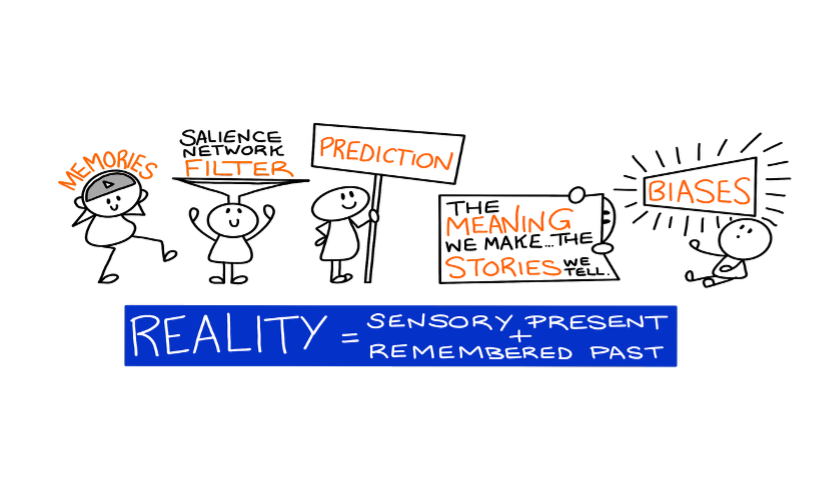
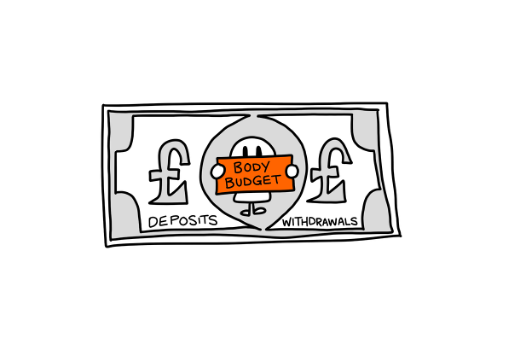
It is proposed that the brain’s primary job is energy management. It regulates the bodies internal systems by anticipating needs and preparing to meet them before they arise. It is more energy efficient and less error prone than reacting to what happens. If you wake up and plan to go for a walk your brain is already predicting the energy needed and changing how the systems work. It doesn’t wait until you are out the door, it is already preparing based on past experiences. It is like the CFO of a company, predicting and managing finances to make sure it doesn’t run out of money. It will track if you have had enough sleep, movement, nutrients etc. to try to keep you in a healthy state. Neuroscientist Lisa Feldmann Barrett calls this our body budget.
Our brains create models to predict how everything in life works. We model how other people, the world and ourselves operate. If you were born in a different country and culture, your models could be vastly different to the ones you have now. What is in my control? If I do this, what do other people do? These predictions form without us realising and shape how we think, feel and act. As our brains don’t have direct access to the outside world, they filter information through our senses and combine that with memories, biases and views of the world. We each have our own unique lens so everything you experience is partly your own making.
We have a drive to model the world around us as it reduces uncertainty and helps us survive. This is why the Covid pandemic felt so unsettling as we didn’t have accurate models and couldn’t predict what would happen.
If events are better than predicated, we feel happy. Conversely, we can feel disappointed or frustrated if things turn out worse than we predicted. Scientists call these prediction errors, and they can lead to learning and reshaping of our internal models. If you predicted that the restaurant you were going to for dinner would be amazing, but it turned out to be average, you might give it another chance, but repeated average meals mean you would update your belief. We all differ in how firmly we hold onto our models of the world, despite data to the contrary. Research has found the more uncertain the world, the more likely we are to believe strange ideas. Once you notice it, you realise that your mood throughout the day is based on the accuracy of your predictions and expectations of the world and those around you. That parcel that got delivered later than promised, the deadline that your usually conscientious colleague missed. The message of thanks you weren’t expecting. These all go against the unconscious predictions you had.
The brain uses these models to help predict what to devote energy to. If you anticipate a conversation will be difficult, your brain will prepare the body for action (which could include increased heart rate and breathing). This is ok if your body has the energy to deal with this demand or can recover at a later point. If the models in your brain are predicting difficulties constantly, and the system is always on, then energy is not being used for digestion, repair and maintenance. This is chronic stress. If your model of the world says that you must do things perfectly and keep everyone happy then your brain will be predicting threat most of the time, which will drain you of energy. Stress is when we predict a big metabolic outlay and it is like a persistent tax on your budget.
Researchers such as Feldmann Barrett state that our mood is a barometer for the state of our body budget. It is a representation of the brain’s success or failure to manage the bodies energy effectively. Are you in debit or credit? Negative mood or distress occurs when the demands outweigh the energy availability. We often ignore this sign and keep going regardless.
What we predict about the future and the way we see the world therefore has a key role in our mental and physical wellbeing.
If prediction is inevitable, is it better to expect something will go well and risk being disappointed, or have low expectations and be pleasantly surprised? It comes down to how much control you have, how it influences your behaviour, and how you respond to the prediction error.
When the new Jurassic Park film came out in cinemas, a friend told me they had built it up so much and had such high expectations about how good it would be that it ended up being a let-down. When you have no control over how something will turn out you can either temper your prediction or enjoy the excited anticipation and deal with any disappointment if it arises.
For things more in your control, if predicting something will go well helps you give your best and gives you more enthusiasm, then it can be helpful. We can feel anxiety by predicting the worst-case scenario and not believing we have the resources to cope. We can feel depressed if we predict we don’t have much agency and activities won’t be rewarding. It is more helpful to predict a range of possibilities (including best case scenarios) and then have a plan for each one, focusing on the process. In sport we know the person who is predicted to win doesn’t always come out on top, so we remind ourselves anything is possible and commit to the plan. We can then use coping strategies if we don’t get the outcome we want and learn from the experience.
So how can we apply this…
Learn to recognise what our mood is telling us about our energy and have some strategies to ensure we don’t bankrupt our body budget (more on this in future articles). Accept the reality that we are biological beings that must manage energy, and if we don’t there are mental and physical consequences.
Be aware of the models of the world we have. They are often automatic, so we don’t always know what they are or if they are accurate or helpful. If they mean you are always ‘on’ and find it hard to rebalance your body budget, then they are not helpful. Therapy works by helping the brain update its model of the world and change the meaning of past experiences.
Be aware of prediction tendencies – are they helpful or unhelpful and how do they influence your behaviour? Are you clear with other people about what they can expect from you and what you expect from them? We are more likely to get a prediction error if the other person has no idea what we are expecting. If you lead people do they know what you expect of them and is it realistic? Conflict often arises when we have different models of the world, so we first need to understand the other person’s version.
References/further reading/listening
Journal - Neuron, 17th December 2025. It’s not the thought that counts: Allostasis at the core of brain function. Jordan E. Theriault, Yuta Katsumi, Henning M. Reimann, Jiahe Zhang, Philip Deming, Bradford C. Dickerson, Karen S. Quigley, Lisa Feldman Barrett.
Book - A trick of the mind: how the brain invents your reality. Daniel Yon. 2025.
Podcast – Diary of a CEO with Lisa Feldmann Barrett, 16th April 2025.